Publisher: Telltale
Developer: Telltale
Year: 2012
Platform: Windows, Mac, PS3, Xbox360
Rating: 9
My favorite episode of The Walking Dead is “The Grove,” which is a fairly common opinion. The climax was some of the most gut-wrenching TV I’ve ever witnessed; and while the moment itself is ridiculous on paper, the show earned the moment as they had been slowly building towards it for two seasons, making it seem like a natural progression in this terrifying universe. Anyway, this is basically how I felt at the end of playing this game. Only I cried for twenty more minutes.
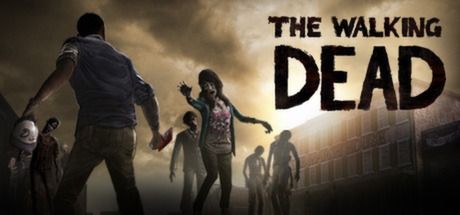
Telltale’s The Walking Dead focuses on Lee Everett, a history professor at the University of Georgia who murdered his wife’s lover and has been sentenced to prison. The game opens on the squad car ride there, with the officer yammering and Lee looking out the window puzzled at the thousands of cars driving out of Macon. A few moments later, a zombie interrupts their conversation, sending the car crashing into the forest. Lee survives, and it’s up to you to help him get his cuffs off, fight off walkers, and find a safe place to stay.
A short time later, he stumbles upon an empty suburban home and a young girl named Clementine, whose been hiding in her treehouse after her babysitter has died (and likely her parents as well, who are in Savannah). They agree to keep each other company and will do so throughout the story. Eventually they meet up with a larger group, with the group growing and shrinking throughout. Glenn Rhee, who has a large role in both the comic and the TV show, plays a prominent role in the first chapter before he heads off to Atlanta to (presumably) join Rick Grimes and the gang. You will also spend a brief time at Hershel Greene’s farm, before he’s even seen his first walker. Lilly Caul, who has a prominent role in the comics, also plays a prominent role here. Otherwise, everyone else is new.
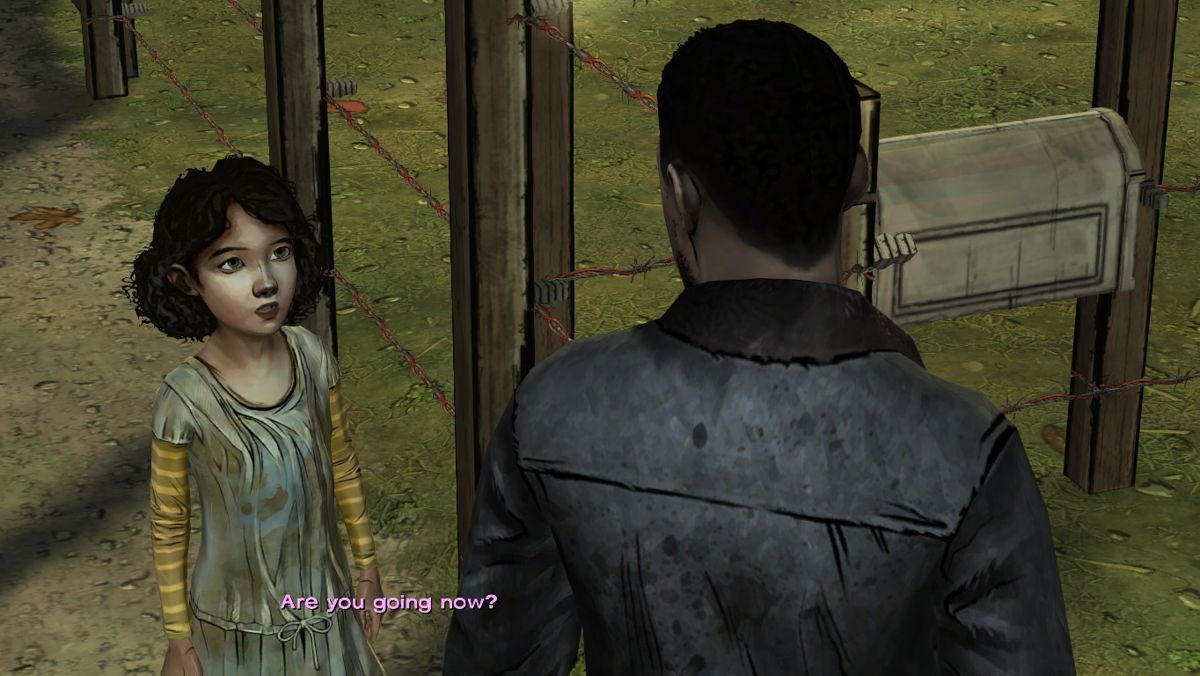
Relationships are the bread and butter of the game, as Lee frequently must engage in conversations or make decisions that are likely to please some members of the party and piss off others. In some cases his decisions determine who lives or dies. While the primary story doesn’t significantly change (thankfully) based on your decisions, the group dynamic most definitely will. The player is free to make choices that feel right to them without worrying that they’ve taken a wrong path. The balance of player agency and continuity in storytelling is masterfully done.
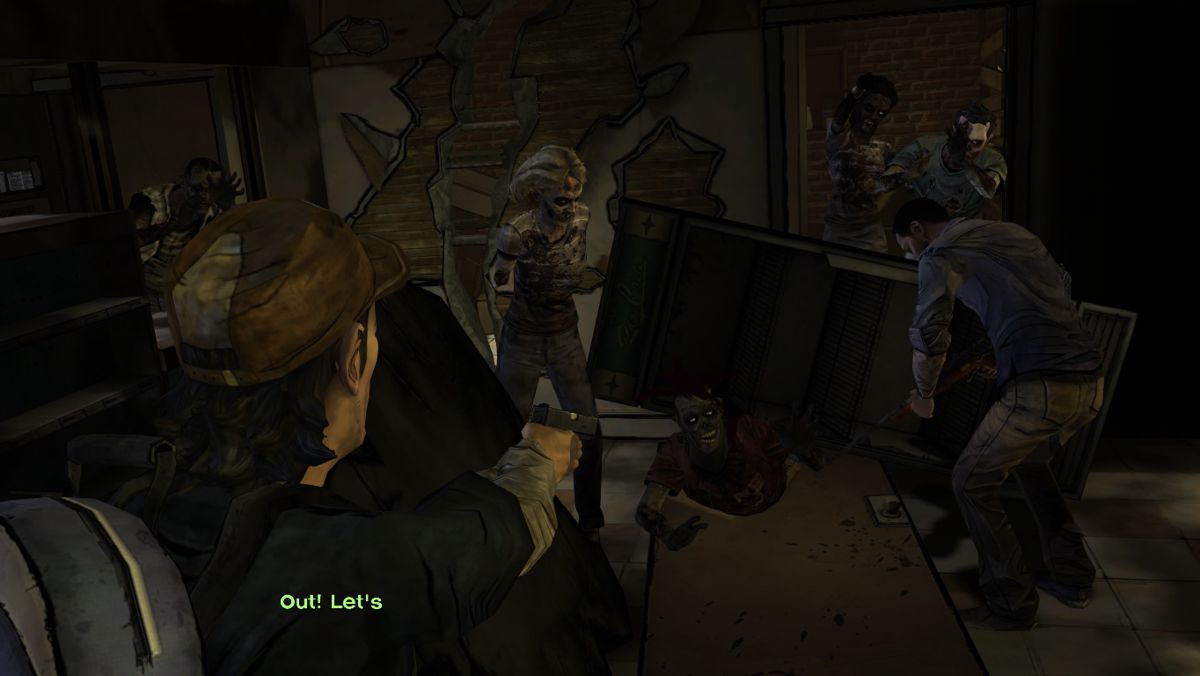
Of course, avoiding death by zombie is a large part of the game. While quick time events do play a significant role, they are not overdone and give an intensity to close combat. Strategic planning also plays a role in a few areas, engaging the brain in addition to one’s reflexes. Outside of zombie battles, puzzles play a consistent role in pacing the story. Many are optional and simply affect how others feel about you or give them story some extra flavor if you solve them (i.e. finding batteries to turn on a radio playing the final broadcast). While some puzzles are required to advance, none of them are terribly difficult and only a very occasional pixel hunt is required.

If you’ve consumed The Walking Dead in other media form, a lot of the situations you encounter will feel familiar. Some strangers will be friendly, some will be terrifying. Members of your own group will fall in and out of favor. Finding food and medicine is generally a greater stressor than the undead themselves. Ultimately, these stories are less about the walkers than they are about humanity and how we cope with life and each other when modern conveniences are gone and each day is a struggle to survive.
My only criticism is that the group conversations feel a bit repetitive and exhausting by the end of the story, with other characters highlighting all of Lee’s decisions and their effects to the point they sometimes felt like bystanders judging my decisions as a player. It didn’t help that for me, most of the party members alive at the end were ones I didn’t care for. By the final chapter (and about ten hours of gameplay) I was hoping it would be over soon.
Thankfully, Clementine is one of the best drawn and voiced characters in adventure game history. She’s neither precocious nor useless. Sometimes she helps the group in significant ways, and sometimes she fucks up in a way that any kid would (and less often, anyway, then the adults). She’s the heart and soul of the story, and without her character arc, this game is a footnote. Melissa Hutchison’s performance is extraordinary. The rest of the cast is generally solid, especially Dave Fennoy who voices Lee, capturing convincingly the personality of a man who recently ruined his own family while being forced to be a surrogate father to a stranger.
The game is an artistic triumph as well. The entire game is drawn in a gorgeous comic-book style that masterfully blends the 2-D medium with a 3-D world that mimics a television show. The score does well to evoke both horror and sentiment, with infrequent moments where it drowns out the scene. And, of course, all of your typical zombie groans and gory splashes are ever present.
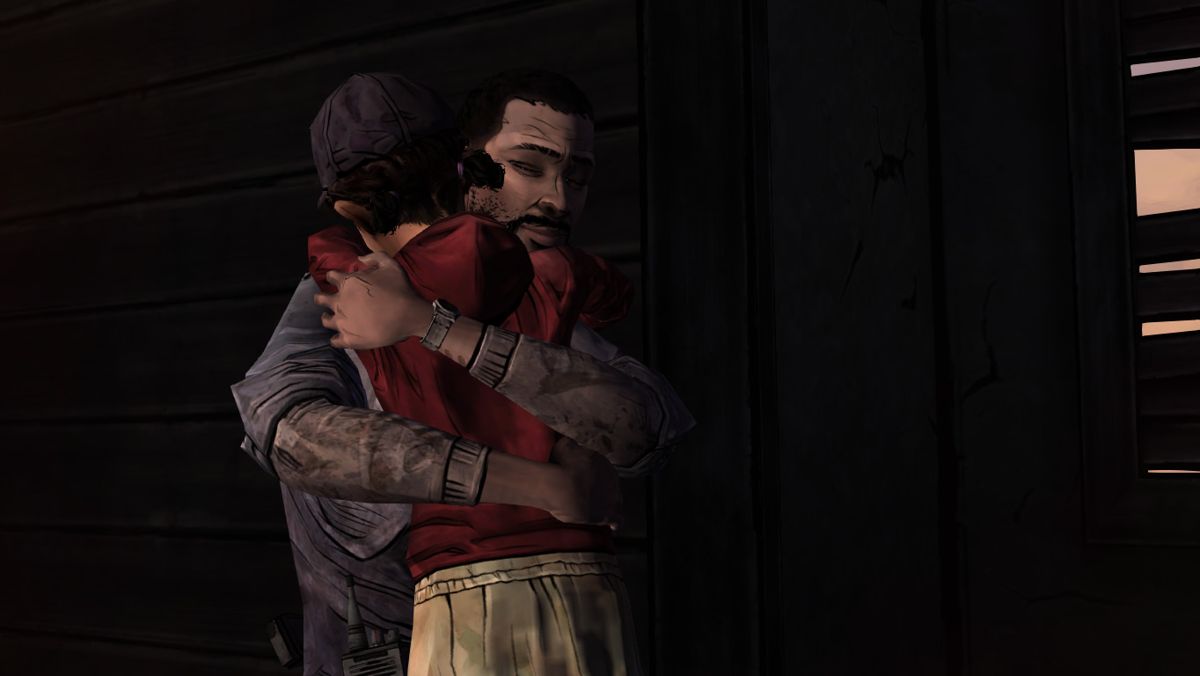
And yeah, the ending. I knew it was coming. Didn’t matter. It’s hard to steel one’s self from crying when you’re an active participant in unfolding the despair.
 Death By Troggles