Publisher: AGDInteractive Developer: AGDInteractive Year: 2002 Platform: Windows; Mac; Linux
Score: 2
Excuse me while I blush for a while. Not satisfied with simply enhancing the original game, AGDI agreed that the original King’s Quest II was utter trash and essentially created a new game. And they only produced one of the best adventure games in the history of the industry.
Publisher: AGDInteractive Developer: AGDInteractive Year: 2001 Platform: Windows; Mac; Linux
Originally known as Tierra, AGDInteractive decided to remake some classic Sierra adventure games. They started in 2001 with King’s Quest. It was an interesting choice given that Sierra had already re-released their crown jewel in 1990 with updated graphics and sound. And while in their remake they didn’t quite make this a game worth introducing to a new generation, they most certainly improved upon it, if ever so slightly.
While the book to adventure game thing has been done many times, it’s rare for the original author to have so much involvement in its design. Douglas Adams had a significant hand in Hitchhiker’s Guide to the Galaxy, though I don’t think he can hold a candle to the creative control Harlan Ellison had here. Unfortunately, this did not cause for a great game; in fact, Ellison sued to get profits from the game he though he deserved, only to learn the game made no profit. I Have No Mouth And I Must Scream is one of the more ambitious adventure games I have come across that unfortunately couldn’t quite figure out what it wanted to be and is nearly as frustrating to play as it is to be one of Ellison’s characters.
Publisher: Legend Developer: Legend Year: 1995 Platform: DOS
Around 1993, Legend Entertainment decided to mostly stop developing their own ideas and started pounding out adventure titles based on best-selling novels. Shannara was probably the most high-profile of them all. I was hesitant at first as neither the genre nor Terry Brooks’s style appeals to me, but I found Shannara to be a mostly pleasant, if very simple, adventure.
An ambitious final entry into the original Zork trilogy that is a pleasure to read but a veritable nightmare to play, Zork III’s value now is mostly for posterity.
Publisher: Red Thread Games Developer: Red Thread Games Year: 2014, though released episodically through 2016 Platform: PS4, XBox One, Mac, Linux
After waiting six years for the second game in the series, fans of the epic The Longest Journey series waited eight years (and through a massive Kickstarter campaign) to play the final entry into the saga. The first is one of my favorite games ever and I feel similarly about Dreamfall, though in my review I compared it to The Empire Strikes Back: exciting and dark, but ending abruptly with many unanswered loose threads. And I must say Ragnar Tornquist did an excellent job tying up those threads; while Dreamfall Chapters is not always satisfying on a game level, the story itself resonates so broadly that it retroactively makes the first two games more satisfying as well.
The second installment in this landmark text series is a definite improvement over the original, though still has some maddening features that would never be tolerated today.
Yes, Zork was the most important computer game of the early 1980’s. Perhaps even more important than King’s Quest. You are standing in an open field, west of a white house, is quite possibly the most well-known line in adventure games. It laid the foundation for many wonderful things to come. And it was an incredibly impressive, engaging adventure when it was released. But other than nostalgia, it has little going for it after all these years.
It took a few years after Martian Memorandum for Chris Jones to release another sequel in the Tex Murphy series, but considering he had to figure out how to utilize that new-fangled CD-ROM thingy, it is no surprise. The series has championed, or at least further developed, new software to enhance the gaming experience, and things are no different in this incarnation. Being released on four CD’s, Under A Killing Moon was the largest computer game in history at the time, while also sidestepping pitfalls seen in future FMV games (e.g. Phantasmagoria). Sadly, however, the innovations weren’t enough to elevate the game quality above the previous offerings.
Publisher: Microids Developer: Microids Year: 2005 Platform: Windows, Xbox
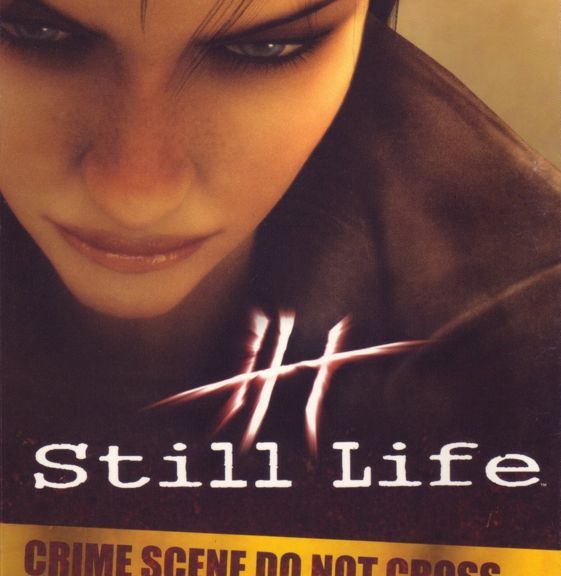
These days I have little worry that when I pick up an adventure game that the production values are going to be fantastic. Sure, there’s going to be the occasional lemon, but with the glutton of previews to be found on the internet, you pretty much know what you’re getting into. Most people seem to agree on what constitutes passable visuals and I can shop accordingly. Unfortunately, the standards for character development do not seem to be so widely agreed upon. In a game where the focus in on the interactivity between the characters, those playing the parts must be charming, engaging, and memorable. Just like when I read a book of fiction, if I don’t care about who I’m watching, little of what’s left is going to affect me. Needless to say, I felt Victoria and the rest of the cast in Still Life left me wanting.






You must be logged in to post a comment.